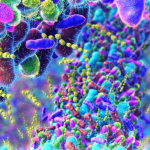
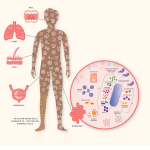
The microbiome refers to the vast community of microorganisms—including bacteria, fungi, viruses, and other microbes—that live on and inside the human body. These microbial communities are found in various parts of the body, such as the gut, mouth, respiratory tract, and skin. The skin microbiome specifically refers to the diverse ecosystem of microorganisms residing on the surface of the skin and within its appendages (like hair follicles and sweat glands).

These microbes are not merely passive inhabitants; they play active and essential roles in maintaining health. A balanced microbiome supports the body’s defenses, metabolism, and immune function.
Importance of Understanding the Microbiome
Understanding the microbiome is crucial because:
- It Influences Overall Health: The microbiome interacts closely with the host’s immune system, metabolism, and even the brain. Imbalances (dysbiosis) have been linked to conditions like obesity, diabetes, inflammatory bowel disease, allergies, and mental health disorders.
- Personalized Medicine: Knowledge of an individual’s microbiome can help tailor treatments and preventive strategies, paving the way for precision medicine.
- Disease Prevention and Management: Monitoring and modulating the microbiome may help prevent or treat infections, autoimmune diseases, and chronic inflammatory conditions.
-
Development of Probiotics and Prebiotics: Understanding microbial interactions enables the development of beneficial products (e.g., probiotics, prebiotics, postbiotics) to support health.
Role of the Skin Microbiome in Skin Health
The skin is the body’s largest organ and first line of defense against pathogens. The skin microbiome plays a vital role in maintaining skin health through several mechanisms:
- Barrier Protection:
- Beneficial microbes compete with harmful pathogens for space and nutrients, preventing colonization by disease-causing organisms.
- They produce antimicrobial peptides (e.g., bacteriocins) that inhibit the growth of pathogenic bacteria.
- Immune System Modulation:
- The skin microbiome helps “train” the immune system to distinguish between harmless and harmful microbes.
- It promotes a balanced inflammatory response, reducing the risk of chronic inflammation or autoimmune reactions.
- Maintenance of Skin pH and Integrity:
- Certain bacteria produce fatty acids (like short-chain fatty acids) that help maintain the skin’s slightly acidic pH (around 4.5–5.5), which is crucial for barrier function.
- A healthy pH discourages the growth of pathogens and supports the skin’s natural moisturizing factors.
- Wound Healing and Repair:
- Some commensal bacteria enhance tissue repair and reduce inflammation during wound healing.
- For example, Staphylococcus epidermidis has been shown to promote healing through immune signaling.
- Protection Against Environmental Stressors:
- The microbiome can help neutralize pollutants, UV radiation effects, and oxidative stress through microbial metabolites.
Skin Conditions Linked to Microbiome Imbalance (Dysbiosis)
- Acne: Overgrowth of Cutibacterium acnes (formerly Propionibacterium acnes) or shifts in its strains can trigger inflammation.
- Atopic Dermatitis (Eczema): Reduced microbial diversity and overgrowth of Staphylococcus aureus are commonly observed.

-
- Psoriasis: Altered microbiome composition may contribute to immune dysregulation.
- Rosacea: Imbalances in skin microbes and interactions with mites (Demodex folliculorum) may play a role.
- Fungal Infections (e.g., athlete’s foot): Overgrowth of pathogenic fungi due to disrupted microbial balance.
How to Support a Healthy Skin Microbiome
- Gentle Cleansing: Avoid harsh soaps and over-washing, which can strip beneficial microbes.
- Use of Prebiotic and Probiotic Skincare: Products containing ingredients that feed good bacteria (prebiotics) or contain live beneficial microbes (probiotics).
- Moisturizers with Ceramides and Fatty Acids: Support skin barrier and microbial balance.
- Avoid Overuse of Antibiotics: Topical or systemic antibiotics can disrupt microbial balance.
- Healthy Diet: Nutrition impacts both gut and skin microbiomes (e.g., high-fiber, fermented foods).
- Limit Harsh Chemicals and Fragrances: These can irritate the skin and alter microbial communities.
Conclusion
The skin microbiome is a dynamic and essential component of skin health and overall well-being. Understanding and nurturing this microbial ecosystem can help prevent skin disorders, enhance the skin’s natural defenses, and promote a radiant, resilient complexion. As research advances, microbiome-targeted therapies are likely to become central to dermatology and skincare.